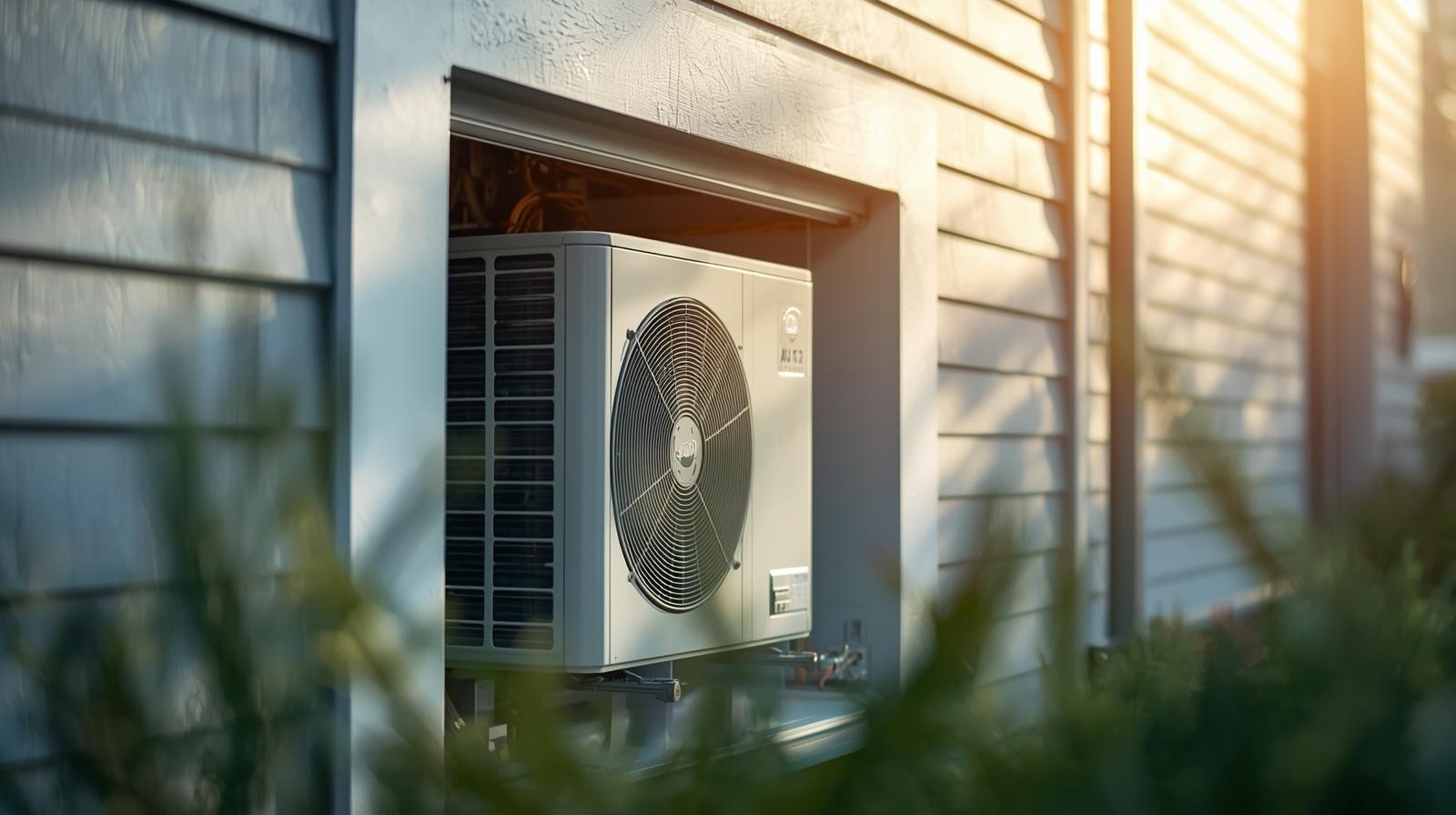
Understanding HVAC System Lifespan: When to Repair or Replace Jul 05, 2026
The average lifespan of an HVAC system can vary depending on a variety of factors, including the type of system, its usage, and how well it is maintained. Typically, most HVAC systems are built to last between 15 to 20 years. However, regular maintenance plays a crucial role in extending an HVAC system’s life. A well-maintained system will not only last longer but will also run more efficiently, saving you money on energy bills.
Knowing the signs that indicate your HVAC system may need repair or replacement is vital. If your system is producing unusual noises, emitting odd smells, or failing to heat or cool your home effectively, it might be time for a professional assessment. Increased energy bills without a corresponding increase in usage can also signal inefficiencies in your HVAC system.
When facing HVAC issues, the first step is to determine if repair is an option. Often, replacing minor components can solve the problem at a fraction of the cost of a new system. For instance, when an issue arises from a clogged air filter or a faulty thermostat, a simple repair or replacement of the component might restore your system to optimal performance.
Nevertheless, there comes a point where repeated repairs become more costly than investing in a new unit. If your system is approaching the end of its forecasted lifespan—around 15 years or more—it might be more cost-effective to replace it. This is particularly true if you are frequently repairing your system and if it continues to experience issues after repairs.
Another factor to consider is the efficiency of newer models. Newer HVAC systems can be significantly more energy-efficient than older ones, leading to substantial savings on energy costs over time. Furthermore, newer systems often come with advanced features such as programmable thermostats and technology that enhances air quality, which can significantly improve the comfort level of your home.
If you decide that a replacement is the best option, choosing the right system is essential. Understanding the size and capacity needed for your specific home environment will ensure you achieve both energy efficiency and peak performance. An undersized system may struggle to meet demand, while an oversized unit might short cycle, leading to unnecessary wear and tear.
In conclusion, balancing repair and replacement decisions for your HVAC system can be a daunting task, but knowing the signs and understanding the options is a great starting point. At Bryan Air Heating, our goal is to ensure your HVAC system operates efficiently and effectively for as long as possible. If you're uncertain about the state of your system or need guidance, don't hesitate to reach out for professional assistance. Regular maintenance, timely repairs, and informed replacements will keep your home comfortable and your utility bills manageable. Remember, investing in your HVAC system is an investment in your home’s comfort and your overall peace of mind.
/filters:no_upscale()/filters:format(webp)/media/c0fc1376-65b0-4036-baec-83e95a42f46d.jpeg)